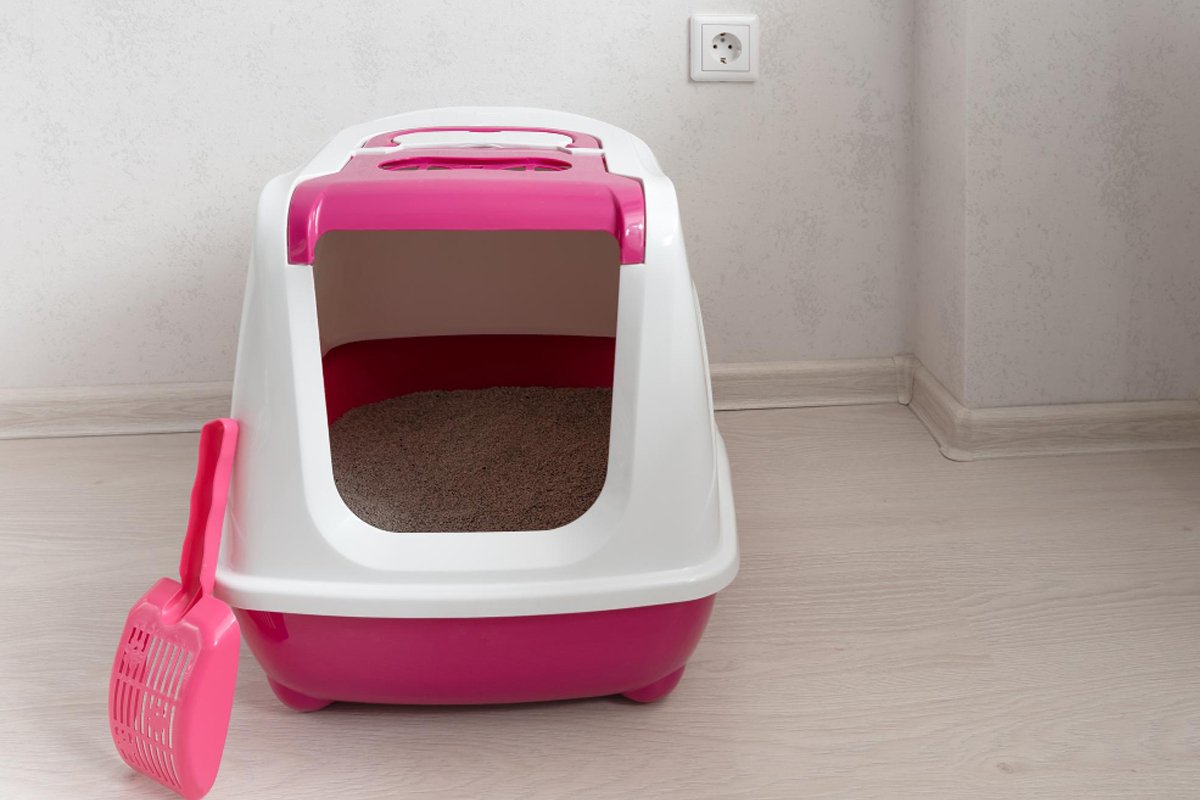
Cat hygiene plays a critical role in both feline health and household cleanliness. In recent years, the rise of the smart litter box has transformed how cat owners manage litter maintenance. By combining automation, sensors, and intelligent design, self-cleaning litter systems eliminate daily scooping and significantly improve hygiene for cats and their owners.
This educational guide explains how smart litter boxes work, the technology behind self-cleaning litter systems, and why they are becoming an essential upgrade for modern cat care in 2025.
What Is a Smart Litter Box?
A smart litter box is an automated cat litter system designed to clean itself after each use. Unlike traditional litter boxes, smart models detect when a cat enters and exits, then activate a cleaning cycle that separates waste from clean litter.
Most self-cleaning litter boxes use advanced sensors, motors, and waste containment systems to ensure the litter remains clean, dry, and odor-free throughout the day.
How Self-Cleaning Litter Technology Works
Self-cleaning litter technology relies on a combination of hardware and intelligent timing. After a cat uses the litter box, the system waits a few minutes to allow clumping, then begins the cleaning process.
Depending on the model, smart litter boxes may use:
- Rotating drums to separate waste
- Raking mechanisms to push clumps into a waste bin
- Gravity-based sifting systems
- Wash-and-dry cycles for reusable litter granules
The cleaned litter is reused, while waste is stored in a sealed compartment.
Why Cat Hygiene Matters
Cats are naturally clean animals and are extremely sensitive to dirty litter boxes. Poor litter hygiene can lead to:
- Litter box avoidance
- Urinary tract infections
- Stress and anxiety
- Inappropriate elimination around the home
Smart litter boxes ensure consistent cleanliness, encouraging proper litter habits and reducing health risks.
Hygiene Benefits of Smart Litter Boxes
1. Cleaner Litter After Every Use
Self-cleaning litter boxes remove waste immediately, preventing bacteria buildup and unpleasant odors.
2. Reduced Odors in the Home
Sealed waste drawers and carbon filters trap smells, keeping living spaces fresh and hygienic.
3. Less Bacteria and Germ Exposure
Automatic cleaning reduces direct contact with waste, improving hygiene for both cats and humans.
4. Improved Paw Cleanliness
Clean litter means fewer dirty paws tracking bacteria throughout the home.
Smart Sensors and Safety Features
Modern smart litter boxes include multiple safety sensors that detect movement and weight. If a cat re-enters the box during cleaning, the system immediately stops, ensuring safe operation.
These sensors also prevent false activations and ensure accurate cleaning cycles.
Smart Litter Boxes and Health Monitoring
Some advanced smart litter boxes track usage frequency and weight, providing insights into your cat’s health. Changes in litter box habits can indicate health issues such as:
- Urinary tract problems
- Digestive issues
- Stress-related behavior changes
This data helps owners identify problems early and consult veterinarians proactively.
Self-Cleaning Litter vs Traditional Litter Boxes
| Feature | Traditional Litter Box | Smart Litter Box |
|---|---|---|
| Cleaning | Manual scooping | Automatic self-cleaning |
| Odor Control | Limited | Advanced filters and sealing |
| Hygiene Level | Inconsistent | Consistently high |
| Health Monitoring | None | Available on smart models |
Best Types of Self-Cleaning Litter Systems
Rotating Litter Boxes
These models rotate the litter chamber to sift waste into a sealed drawer. They are efficient, reliable, and ideal for multi-cat households.
Rake-Based Systems
Rake mechanisms push clumps into a waste container. They work well with clumping litter and are often quieter.
Wash-and-Dry Systems
These advanced systems clean reusable granules using water and heat, offering an eco-friendly solution.
Is a Smart Litter Box Worth the Investment?
While the upfront cost of a smart litter box is higher than traditional options, the long-term benefits are significant. Reduced litter waste, improved hygiene, time savings, and better cat health make self-cleaning litter boxes a valuable investment.
Introducing Your Cat to a Smart Litter Box
Transitioning to a self-cleaning litter box should be done gradually:
- Place the smart box next to the old litter box
- Allow your cat to explore it without activation
- Use familiar litter at first
- Activate cleaning cycles once your cat is comfortable
Common Myths About Smart Litter Boxes
“They Scare Cats”
Most cats adapt quickly, especially when cleaning cycles are delayed until after use.
“They Are Difficult to Maintain”
While occasional maintenance is required, it is far less demanding than daily scooping.
“They Are Only for Tech-Savvy Owners”
Most smart litter boxes are easy to use, with simple controls and optional app features.
Future of Smart Litter Box Technology
The future of self-cleaning litter includes AI-powered health detection, quieter motors, improved waste sealing, and full smart-home integration. These innovations will further enhance cat hygiene and owner convenience.
Conclusion
Smart litter boxes represent a major advancement in cat hygiene and pet care. By using self-cleaning litter technology, these systems provide cleaner litter, reduced odors, and healthier environments for both cats and their owners.
As pet care technology continues to evolve, smart litter boxes are becoming an essential solution for modern households seeking cleanliness, convenience, and better feline well-being.