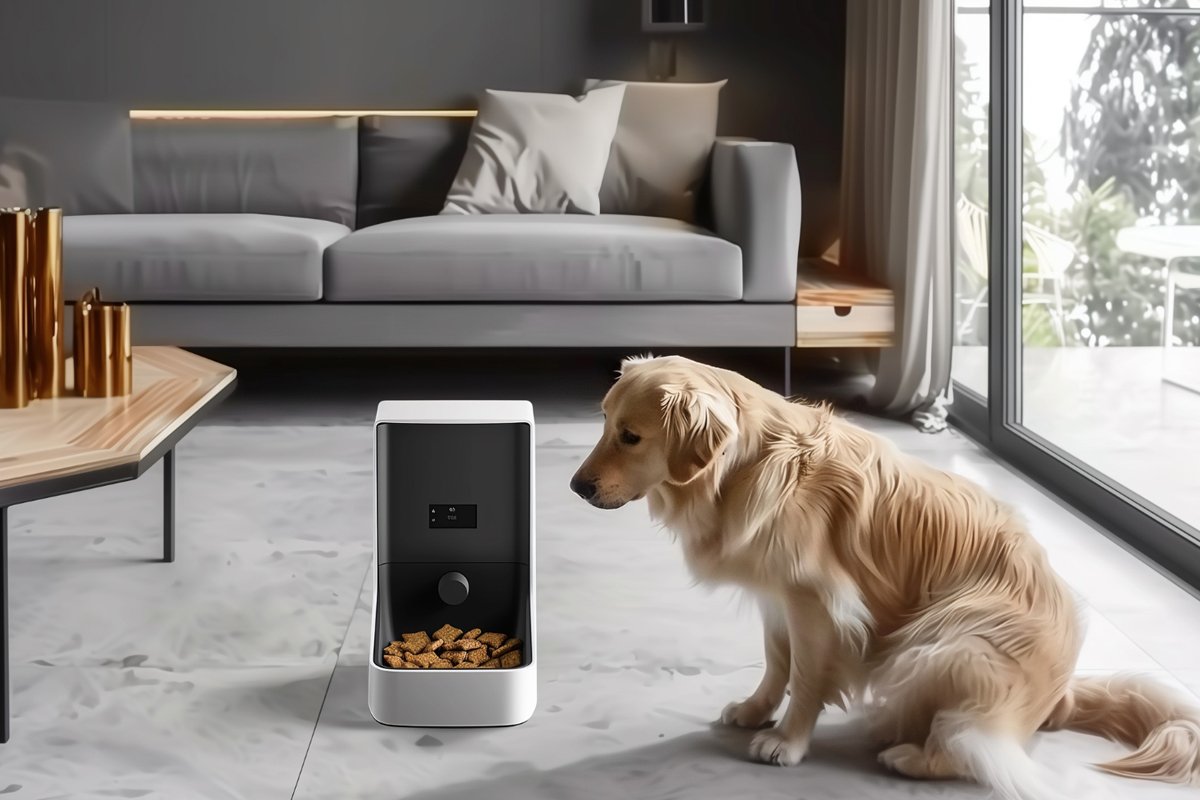
The rise of smart feeders marks a major shift in how pet owners approach daily nutrition and long-term pet care. As technology becomes deeply integrated into everyday life, automatic feeding systems for pets are emerging as an essential solution for modern households. Smart feeders combine precision, convenience, and intelligent design to deliver meals consistently, helping pets maintain healthier routines while giving owners peace of mind.
Traditional feeding methods rely heavily on human availability and consistency. In contrast, smart feeding solutions automate this responsibility, ensuring pets are fed at the right time and in the right quantity, regardless of the owner’s schedule. This innovation is reshaping the way people care for their cats and dogs.
What Are Smart Feeders?
Smart feeders are advanced automatic pet feeding systems designed to dispense food at scheduled times with precise portion control. Unlike traditional bowls or basic timed feeders, smart feeders use digital technology, sensors, and mobile connectivity to offer a more intelligent feeding experience.
These devices can be programmed to deliver meals based on your pet’s age, weight, activity level, and dietary requirements. Many smart feeders are connected to mobile apps, allowing real-time adjustments and remote monitoring.
Smart feeders are suitable for both cats and dogs and are available in a wide range of designs, capacities, and feature sets.
Why Portion Control Is Critical for Pet Health
One of the most significant advantages of smart feeders is accurate portion control. Overfeeding is a widespread issue, especially among indoor pets. Excess weight can lead to obesity, diabetes, joint problems, heart disease, and reduced life expectancy.
Smart feeders allow owners to measure food precisely, eliminating guesswork. Portions can be adjusted based on veterinarian recommendations or changes in a pet’s lifestyle. This is particularly beneficial for pets on weight-management plans or medical diets.
By delivering consistent portions at each meal, automatic feeders promote balanced nutrition and healthier metabolism.
The Importance of Consistent Feeding Schedules
Pets thrive on routine. Irregular feeding times can cause anxiety, digestive discomfort, and behavioral problems such as excessive begging or food aggression.
Smart feeding systems provide reliable meal schedules, ensuring food is delivered at the same time every day. This consistency helps pets feel secure and reduces stress-related behaviors.
For cats, smaller and more frequent meals mimic natural hunting patterns and support digestion. For dogs, structured meal times help regulate appetite and energy levels.
Smart Feeder Technology Explained
Modern pet feeder technology goes far beyond basic automation. Smart feeders integrate multiple advanced features designed to enhance both pet care and owner convenience.
- Mobile App Control: Manage feeding schedules and portions remotely.
- Built-in Cameras: Watch your pet during feeding time from anywhere.
- Two-Way Audio: Communicate with your pet and reinforce routines.
- Feeding Analytics: Track meal times, portion sizes, and eating patterns.
- Low Food Alerts: Receive notifications when food levels are low.
These features allow pet owners to make informed decisions and respond quickly to changes in eating behavior.
Smart Feeders and Remote Pet Monitoring
Remote monitoring is one of the most valuable aspects of smart feeding solutions. Whether at work or traveling, owners can check in on their pets during meal times.
Built-in cameras provide visual confirmation that food was dispensed and consumed. Feeding analytics offer insight into habits that may indicate health issues, such as loss of appetite or irregular eating.
This level of visibility helps owners intervene early and consult veterinarians when necessary.
Smart Feeding Solutions for Multi-Pet Households
Feeding multiple pets can be challenging, especially when animals have different dietary needs. Smart feeders simplify multi-pet management by offering customized feeding plans.
Some advanced smart feeders use microchip or RFID recognition to identify individual pets. This ensures each animal receives the correct portion and prevents food stealing.
By reducing competition and stress around feeding time, smart feeders create a calmer environment in multi-pet homes.
Safety and Reliability of Smart Feeders
Safety is a critical consideration in automatic pet feeding systems. High-quality smart feeders are built with anti-jam mechanisms to prevent food blockages.
Many models include backup battery systems to ensure uninterrupted feeding during power outages. Airtight food containers keep meals fresh and protected from moisture and pests.
These reliability features ensure pets are never left hungry due to technical issues.
How Smart Feeders Support Special Diets
Pets with medical conditions require precise nutrition management. Smart feeders are especially beneficial for animals with diabetes, food allergies, or digestive sensitivities.
By controlling portion sizes and feeding times, automatic feeders help maintain stable blood sugar levels and reduce digestive stress.
Smart feeders also support prescription diets by ensuring only approved portions are dispensed.
Reducing Stress for Pet Owners
Busy schedules often make pet care stressful for owners. Smart feeders remove the pressure of rushing home to feed pets or relying on others.
Knowing that meals are delivered accurately and on time provides peace of mind. Owners can focus on work, travel, or family without compromising their pet’s care.
This stress reduction benefits both pets and their owners.
Integrating Smart Feeders into Smart Pet Ecosystems
Smart feeders are becoming a central component of broader smart pet care ecosystems. They can integrate with other pet tech devices such as GPS trackers, smart litter boxes, and pet cameras.
This interconnected approach allows owners to manage nutrition, activity, and health from a single platform.
As technology advances, these systems will become even more personalized and predictive.
Choosing the Right Smart Feeder
When selecting a smart feeder, consider your pet’s size, food type, and eating habits. Storage capacity, app usability, and ease of cleaning are also important factors.
Investing in a reliable brand with strong customer support ensures long-term satisfaction and safety.
The Future of Smart Feeding Solutions
The future of smart feeding technology includes AI-powered recommendations, real-time health insights, and integration with veterinary services.
As innovation continues, smart feeders will adapt automatically to changes in pet behavior, age, and health conditions.
Conclusion: A Smarter Approach to Pet Nutrition
Smart feeders represent a major advancement in pet nutrition and daily care. By combining automation, precision, and intelligent monitoring, these devices help pets live healthier and more balanced lives.
For pet owners seeking better control, convenience, and peace of mind, smart feeding solutions are no longer a luxury—they are an essential part of modern smart pet care.