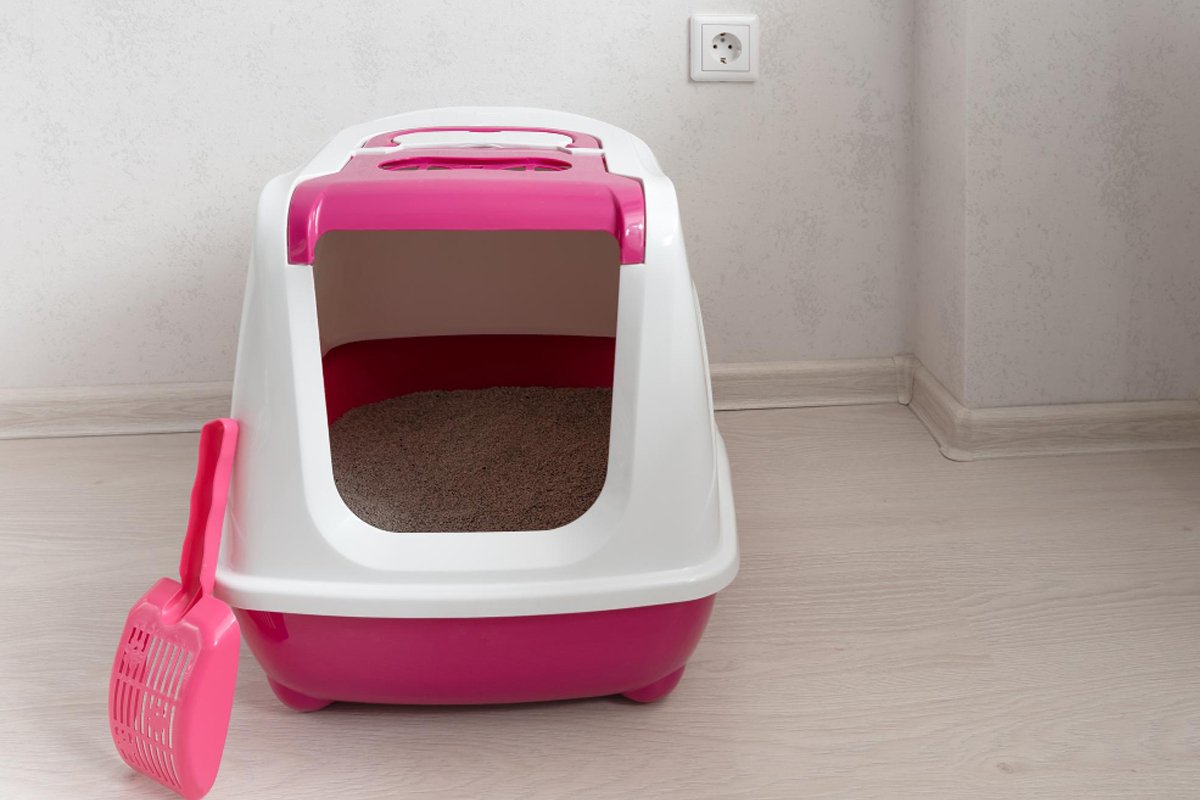
Cleaning the litter box is one of the least enjoyable responsibilities of cat ownership. As technology advances, many pet owners are turning to the automatic litter box as a smart hygiene solution. But are these self-cleaning systems really worth the investment, or are traditional litter boxes still enough?
This in-depth guide explores how smart cat litter boxes work, their advantages and drawbacks, cost considerations, and whether they truly improve hygiene, convenience, and feline health.
What Is an Automatic Litter Box?
An automatic litter box is a self-cleaning system designed to remove waste after each use. Using sensors and mechanical cleaning cycles, these boxes separate clumps from clean litter and store waste in a sealed compartment.
Unlike traditional litter boxes, automatic models maintain consistent cleanliness without daily scooping, making them especially appealing to busy pet owners.
How Smart Cat Litter Boxes Work
Smart litter boxes rely on motion sensors, weight detection, or infrared technology. Once a cat exits the box, a delayed cleaning cycle begins, allowing litter to clump before removal.
Common cleaning mechanisms include:
- Rotating drums that sift waste
- Rake systems that push clumps into a waste drawer
- Gravity-based separators
- Wash-and-dry systems for reusable litter
Benefits of Automatic Litter Boxes
1. Improved Hygiene
Clean litter after every use reduces bacteria growth and keeps the box inviting for cats.
2. Odor Control
Sealed waste compartments, carbon filters, and antimicrobial surfaces significantly reduce unpleasant smells.
3. Convenience and Time Savings
No more daily scooping. Owners only need to empty waste drawers every few days.
4. Better Cat Health
Consistent cleanliness encourages proper litter use and can reduce stress, urinary problems, and behavioral issues.
5. Smart Monitoring Features
Some smart cat litter boxes track usage patterns, helping owners detect early signs of health issues.
Potential Drawbacks to Consider
Initial Cost
The price of an automatic litter box is higher than a traditional litter box. Premium models can be a significant upfront investment.
Maintenance Requirements
While scooping is eliminated, filters, waste drawers, and sensors still require regular maintenance.
Power Dependence
Most self-cleaning litter boxes require electricity. Models with battery backup offer added reliability.
Cat Adaptation
Some cats may take time to adjust to the movement and sounds of an automatic litter box.
Automatic Litter Box vs Traditional Litter Box
| Feature | Traditional Litter Box | Automatic Litter Box |
|---|---|---|
| Cleaning | Manual scooping | Self-cleaning system |
| Odor Control | Limited | Advanced filters and sealing |
| Hygiene Level | Variable | Consistently high |
| Time Investment | Daily | Minimal |
| Smart Features | None | App tracking, alerts |
Who Should Buy an Automatic Litter Box?
Automatic litter boxes are ideal for:
- Busy professionals with limited time
- Multi-cat households
- Owners sensitive to odors
- Apartment dwellers
- Pet owners interested in smart home technology
Best Situations Where Smart Litter Boxes Shine
Multi-Cat Homes
Self-cleaning litter boxes maintain hygiene despite frequent use, reducing conflict and stress among cats.
Indoor Cats
Indoor cats rely completely on litter boxes, making consistent cleanliness essential.
Health Monitoring Needs
Smart litter boxes can help track bathroom habits, providing early warnings of health issues.
Tips for Choosing the Right Smart Cat Litter Box
- Check size compatibility with your cat
- Choose quiet models for sensitive cats
- Look for safety sensors and delay timers
- Consider app integration and smart alerts
- Verify compatible litter types
How to Introduce Your Cat to an Automatic Litter Box
Transitioning should be gradual:
- Place the new box next to the old one
- Allow exploration without activation
- Use familiar litter initially
- Activate self-cleaning once your cat is comfortable
Are Automatic Litter Boxes Worth It?
For many cat owners, the answer is yes. While the initial cost is higher, the long-term benefits—improved hygiene, odor control, time savings, and better feline health—make automatic litter boxes a worthwhile investment.
However, they may not be necessary for owners with a single cat and ample time for manual cleaning.
Future of Smart Cat Litter Boxes
The future includes AI-powered health analytics, quieter motors, eco-friendly designs, and deeper integration with smart home systems. These advancements will continue to improve hygiene and convenience.
Conclusion
Automatic litter boxes for cats offer a smart hygiene solution that transforms daily litter maintenance. By eliminating scooping, reducing odors, and improving cleanliness, smart cat litter boxes provide real value for modern pet owners.
If convenience, cleanliness, and feline well-being matter to you, investing in an automatic litter box may be one of the best pet tech upgrades you can make.